

One of the most tragic and poignant railway destinations in the world, Thailand’s Death Railway continues to be a popular and accessible place for tourists to visit, explore and reflect.
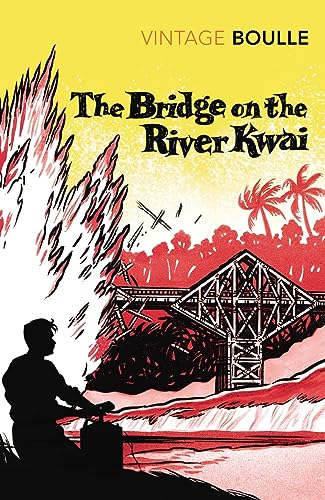
Made famous by the Bridge Over the River Kwai novel and subsequent film, Thailand’s Death Railway has been drawing visitors for decades. Originally constructed to link Thailand to Burma, the extent of the railway has been reduced over the years, but there are still sections on which tourists can travel by train, easily accessible from Bangkok.
Alongside the museums and memorials to those who died, a visit to the Death Railway provides an opportunity to understand this tragic period in history.
Disclaimer: This website contains affiliate links. Should you click to purchase, it is at no additional cost to you, but we receive a small commission.
Have questions? Join the Southeast Asia Trains Facebook Group.
Death Railway history
After invading Thailand in 1941 and Burma in early 1942, the Japanese were in need of a reliable and safe land route to supply their troops across the region. Sections of railway already existed in Thailand and Burma, but the section between Nong Pladuk and Thanbyuzayat has long been considered impossible to complete by the British.
Japan’s leaders disagreed with this assessment and plans were drawn up to link the existing railways in double-quick time. Thousands of forced Asian labourers and Allied POWs were made to build the railway in horrendous conditions, leading to the death of a large percentage of them, with the rest suffering lifelong mental and physical injuries.
After the war and the Japanese surrender, large parts of the railway were dismantled, in particular the section west of Nam Tok in Thailand towards Burma. It was only after the release of the Bridge Over the River Kwai novel and film that international attention returned to the railway, and many tourists began to visit, a process that continues to this day.
It took many years after the end of the war for the railway to be repaired and brought back into operation, but this was completed in the late 1950s when the line to Nam Tok was restored.
- New
- Mint Condition
- Dispatch same day for order received before 12 noon
- Guaranteed packaging
- No quibbles returns

Where is the remaining section now?
The remaining section of the Death Railway now runs from Nong Pladuk Junction (about 60km west of Bangkok) to Nam Tok.

How to get there by train from Bangkok
There are two options to travel on the Death Railway by train:
- Independent travellers might prefer to take one of the Ordinary trains that depart from Bangkok’s Thonburi station at 7.45am and 1.55pm. These trains are third-class only and stop at Kanchanaburi, Saphan Kwae Yai (Bridge over River Kwai), Tham Krasae Bridge and Nam Tok. See suggested itineraries below for options and information.
- If you prefer the organisation of a tour, and Excursion train departs from Bangkok’s Hualamphong station on weekends and public holidays. It departs at 6.30am and includes stops at the main stations on the Death Railway, returning to Bangkok at 7.25pm.

How to buy tickets
Unlike most other routes in Thailand, the trains from Thonburi to Kanchanaburi cannot be bought online via the usual ticket agencies, but you can easily buy tickets at Thonburi Station on the day of travel (THB100). This train cannot sell out and it’s usually easy enough to find a seat from Bangkok to Kanchanaburi and River Kwai Bridge stations.
Tickets for the Excursion train from Hualamphong to Nam Tok can be bought online via the Baolau site. Just remember to choose either a weekend or public holiday departure date. Tickets cost THB120 for third-class, THB240 for second-class.
Bridge over the River Kwai
Built to cross what was then known as the Mae Klong river, the original wooden bridge was built by several thousand POWs and forced Asian labourers in 1943. It was soon replaced by the iron bridge that’s largely the same one in operation today.
Long seen as a weak point of the railway, the bridge was bombed several times in the next two years, eventually becoming sufficiently damaged in 1945 to render it unusable. It wasn’t until the 1950s that the central sections were replaced and the line through to Nam Tok was restored and put back into working order.
Once the novel and film had been released, tourists began visiting the site, including many former POWs and forced workers. Due to some confusion regarding the name of the river and tourists arriving in the wrong location, the Thai government renamed this part of the river ‘Khwae Noi’, allowing the bridge to finally cross the River Kwai.

Places of interest and things to see
- The Death Railway Museum in Kanchanaburi explains the history of the railway, including the events leading up to the war, the terrible conditions the POWs and Asian labourers operated under, and the sacrifices they made. There’s a strong focus on the human impact, but you’ll also learn about the technical aspects of the construction and the engineering feats to accomplish what was once considered an impossible task.
- Just across the road from the museum is the Kanchanaburi War Cemetery, the place where seven thousand Allied POWs are buried. It’s makes for an important visit, allowing you to reflect on the scale of human sacrifice that the railway took. Many of the soldiers were only in the early-twenties, forced to live and die in terrible conditions.
- Hellfire Pass is a twenty-minute songthaew ride from Nam Tok station and is the site of one of the most notorious sections of the Death Railway. This 500m rock-cutting took a huge amount of effort to complete, with the POWs and Asian labourers forced to work under some of the most extreme conditions of the whole operation. It takes its name from the glow of torchlights that lit the pass during the night-time working hours. An Australian-funded museum is attached to the site, and visitors can walk along Hellfire Pass afterwards to a sombre memorial.
- Also known as Wang Pho Viaduct, Thamkrasae Bridge is a wooden bridge built by the POWs against a sheer cliff face (feature photo). One of the most treacherous sections of the railway to construct, many people died during its construction. Nowadays, it’s one of the most well-known sections, with many tourists taking photos here and disembarking. Several tourist sights are here including a Buddhist cave and walking trails along the track.


Where to stay
Kanchanaburi is the main tourist centre for the Death Railway and is a good base for visiting all of the main sights, plus you have access to the railway line from Bangkok to Nam Tok.
The Bridge Residence Hotel is well-located in the centre of town, close to the railway station and main bar/restaurant area. Rooms are modern and well-maintained, with breakfast included in the room rate. They can also assist with tour booking and onward travel if you need.
Alternatively, a 15 minute drive from Nam Tok (towards the end of the Death Railway line) is River Kwai Jungle Rafts, a floating jungle retreat accessible only by boat. There’s no electricity in the rooms, which means no WIFI, fans or air-conditioning, so the nights aren’t the most comfortable. If you need a reprieve, there are charging points and weak WIFI at reception, but the whole point here is to disconnect and enjoy the stunning riverside setting. It’s worth reading this review to find out more.

Suggest itinerary from Bangkok to the Death Railway
- DAY 1: Depart Bangkok from Thonburi station on the 7.40am train to Kanchanaburi, arriving at 10.20am. Drop your bags at the hotel and head over to the bridge over the River Kwai via tuk-tuk.
- Walk across the bridge and then arrange a thirty-minute boat ride with the boatmen who wait at either side of the bridge. The rides can be customised but most will pass under the bridge itself, offering an up-close view of the decades-old bomb damage.
- Tuk-tuk to Death Railway Museum and Kanchanaburi War Cemetery, then back to the centre of town to explore the rest of Kanchanaburi.
- DAY 2: Board the 10.30am train from Kanchanaburi to Saphan Tam Krasae (Thamkrasae Bridge), arriving at 11.35am. Make sure you choose a seat on the left side of the carriage. Explore the area around the wooden bridge and wander along the tracks. After lunch, book a tuk-tuk or songthaew to take you to Hellfire Pass and then back to Kanchanaburi later.
- DAY 3: Leisurely breakfast and morning in Kanchanaburi before taking the 2.43pm train back to Bangkok.


Final thoughts
Although the history of the Death Railway is tragic and undoubtedly bleak, a visit here is often a highlight of any trip to Thailand, especially if you have an interest in history, trains and the railway. The museums and sights around Kanchanaburi are respectfully managed and, thanks to the significant investment from the Australian government and Commonwealth War Graves Commission, they explain the history of the railway in impressive detail.
Travelling by train only seems fitting and you can easily reach the region on the two daily services from Bangkok’s Thonburi station. If you’re more short of time, the weekend Excursion train is a good option, but can feel more sanitised and tourist-focused. An independent trip on the Ordinary trains and exploring at your own pace is a much better choice.

FAQs
The remaining section of the Death Railway runs from Nong Pladuk Junction to Nam Tok.
Yes, daily trains run from Bangkok’s Thonburi station to the main stations of the Death Railway including Kanchanaburi, Bridge Over the River Kwai, Thamkrasae Bridge and Nam Tok.
Yes, you can either ride the train over the bridge, walk over it (closest station is Saphan Kwae Yai), or take a boat ride under it. The bridge is in the main tourist town of Kanchanaburi.
Many tour operators in Bangkok can arrange a day-trip to the Death Railway in a cramped minibus, but you’ll have a much more enjoyable and flexible experience if you follow our self-guided itinerary. The excursion train (weekend and public holidays only) is a decent middle ground, but still not as good as doing it all yourself.
Useful reads before you go:
Top tips for Southeast Asia train travel
Reasons why you should travel by train around Southeast Asia
The BEST train journeys in Southeast Asia
10 essentials experienced travellers always take on trains in Southeast Asia
Book your train travel:
If you have found this website useful for planning your Southeast Asia train travel, you can show your support by buying me a coffee. Thanks so much!
